Why Smart Growers Buy Bulk Seeds: Quality, Consistency, and Cost
Every serious grower I know has a story about the one time they skimped on seed sourcing. Maybe it was a late-night impulse order from an unknown seed bank, or a bag of mixed genetics that turned out to be mostly hemp seeds with a few runty cannabis sativa plants. The savings disappeared fast when half the crop failed to germinate and the other half grew into something unrecognizable. That lesson sticks with you. It is why more experienced cultivators buy bulk seeds from a trusted wholesale cannabis supplier instead of chasing low prices on single packs.
Buying in volume is not just about saving money, though that is a real benefit. It is about consistency, planning, and having the genetics you actually want when the season starts. Whether you are managing a large greenhouse operation in Spain or running a small indoor growing setup in Oregon, the logic is the same. When you buy bulk seeds, you lock in a known germination rate, a reliable genetic profile, and a supply that lets you scale without scrambling.
The Math Behind Bulk Seed Purchases
Let us talk numbers for a moment. A single pack of ten cannabis seeds from a boutique breeder might run anywhere from fifty to over a hundred dollars. If you need several hundred plants for a season, those per-seed costs add up fast. Wholesale cannabis pricing changes the equation entirely. When you buy bulk seeds, the price per unit drops significantly, often by half or more. That frees up capital for other essentials: better grow lights, higher-quality nutrients, or an upgraded irrigation system for your hydroponics setup.
But the savings only matter if the seeds actually grow. A low germination rate can wipe out any discount. This is where sourcing from a reputable seed bank matters. Established banks vet their stock and provide certified germination percentages. I have seen figures above 95 percent from top-tier suppliers, which is a far cry from the 70 percent or less you might get from an unknown seller. That extra reliability means you can plan your plant count with confidence, whether you are filling a greenhouse in the Netherlands or prepping for outdoor cultivation in British Columbia.
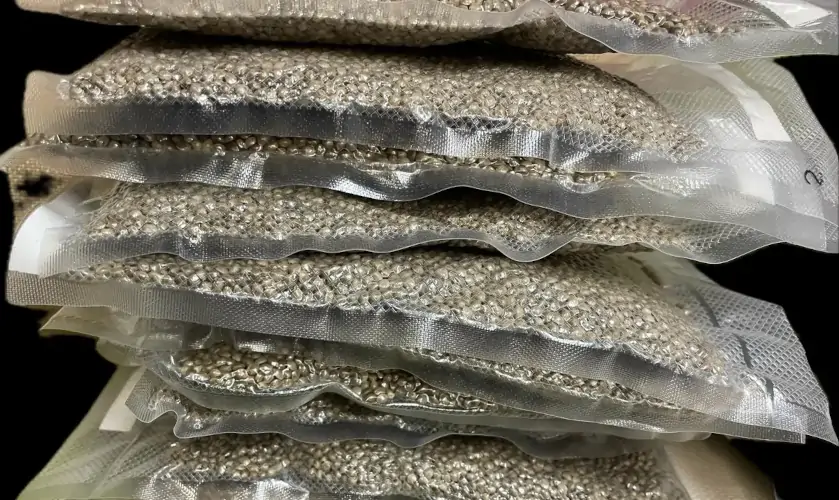
Genetics: Why Consistency Matters at Scale
When you grow a handful of plants, variety is fun. You can try a new strain every run and see what sticks. But when you are producing at scale, consistency becomes king. Your buyers, whether they are dispensaries or extraction labs, expect the same cannabinoid profile, the same growth habit, and the same harvest window every time. That kind of predictability only comes from starting with uniform genetics.
That is why many commercial growers turn to clone cuttings for certain runs. Clones are genetically identical, so every plant behaves the same way under the same conditions. But clones have downsides: they require a mother plant, they are harder to ship, and they carry a higher risk of pests and disease. Seeds solve those problems. A good batch of seeds, especially from stabilized strains of cannabis indica or cannabis sativa, will produce uniform plants with strong hybrid vigor. And when you buy bulk seeds from a single lot, you get that uniformity across hundreds or thousands of plants.
I have seen operations in California that run the same genetics for years, buying seeds in bulk once and then maintaining a mother for clonal propagation. The initial bulk purchase gives them a deep genetic library to pull from. They can pop a few seeds each cycle to refresh the mother stock, keeping the line vigorous and free of genetic drift. That is smart long-term planning, and it starts with a single bulk order.
Choosing the Right Genetics for Your Setup
Not every bulk seed purchase is the same. The right genetics depend on your growing environment, your experience level, and your end market. If you are growing indoors under lights, you probably want compact, fast-flowering strains that respond well to hydroponics or aeroponics. Indica-dominant hybrids are popular there because they stay short and yield dense buds in eight to nine weeks.
If you are working with outdoor cultivation, you need strains that can handle local weather, pests, and a longer photoperiod. Sativa-dominant varieties from equatorial regions, or hybrids bred specifically for outdoor growing in places like California or Oregon, tend to do well. They stretch more and take longer to flower, but they can produce massive yields when given space and sun.
Greenhouse growers have more flexibility. A greenhouse in Spain can extend the growing season and protect plants from heavy rain, while still using natural sunlight. That environment suits a wide range of genetics, from fast-finishing indicas to tall, airy sativas. The key is matching your seed choice to your specific conditions, not just picking the trendiest strain.

Practical Tips for Buying Bulk Seeds
Here are a few things I have learned from working with seed banks and large-scale growers over the years:
- Request a germination test report. Any wholesale cannabis supplier worth dealing with can provide one. If they cannot or will not, walk away.
- Ask about storage and handling. Seeds that have been stored in hot or humid conditions lose viability fast. The best suppliers keep seeds in climate-controlled facilities, often in the Netherlands or Spain, where the climate is stable.
- Check the strain stability. Look for seeds from lines that have been bred for multiple generations. F1 hybrids can be variable; stabilized lines produce more uniform plants.
- Consider the legal landscape. If you are shipping across borders, make sure your supplier handles customs documentation and follows regulations in both the origin and destination countries. Many top seed banks ship from Spain, the Netherlands, or Morocco, and they know the ropes.
- Start with a small test order. If you are trying a new supplier, buy a small batch first. Germinate a sample and grow them out to see how they perform before committing to a large volume.
The Role of Seed Banks in the Supply Chain
A good seed bank does more than just sell seeds. They act as a bridge between breeders and growers. They test genetics, maintain stock, and provide the documentation that wholesale buyers need. Some of the best seed banks are in the Netherlands, where cannabis seed breeding has been legal for decades. They have deep expertise in stabilizing strains and achieving high germination rates. Others operate out of Spain, California, and British Columbia, each region bringing its own strengths to the table.
When you buy bulk seeds from a seed bank, you are also buying their knowledge. Most will advise on which strains suit your climate and growing method. They can tell you which genetics handle organic farming well, which ones respond best to aeroponics, and which are most resistant to common pests. That kind of insight is hard to get when you are picking single packs off a retail shelf.
Seed Sourcing and Sustainability
There is a growing movement toward sustainable agriculture in cannabis, and seed sourcing plays a part in it. Open-pollinated and landrace genetics from places like Morocco or the Hindu Kush region offer genetic diversity that is valuable for breeding resilient strains. By buying bulk seeds from diverse sources, growers help preserve those genetics and reduce the risk of monoculture problems down the line.
I have also seen more growers combine seeds with other propagation methods. For example, you might start a batch from seeds, select the best performers, and then take clone cuttings from those plants for the next few cycles. That hybrid approach gives you the genetic vigor of seeds plus the uniformity of clones. It is a practical way to scale while keeping quality high.
Final Thoughts on Bulk Seed Strategy
The decision to buy bulk seeds is not just a financial one. It is a strategic choice that affects every stage of your operation, from germination to harvest. When you source from a reliable seed bank, you get consistent genetics, high germination rates, and the ability to plan your crops months in advance. That is a real advantage in a competitive market.

I have watched growers in Oregon and British Columbia scale from small garages to large commercial facilities, and the ones who succeed almost always have one thing in common: they treat seed sourcing as a core part of their business, not an afterthought. They buy bulk seeds from trusted suppliers, test their genetics, and build their whole operation around those choices. It is not the flashiest part of the industry, but it is one of the most important.
If you are still buying single packs and hoping for the best, consider making the switch. The upfront investment is larger, but the payoff in consistency, quality, and peace of mind is worth it. Your future self, and your plants, will thank you.